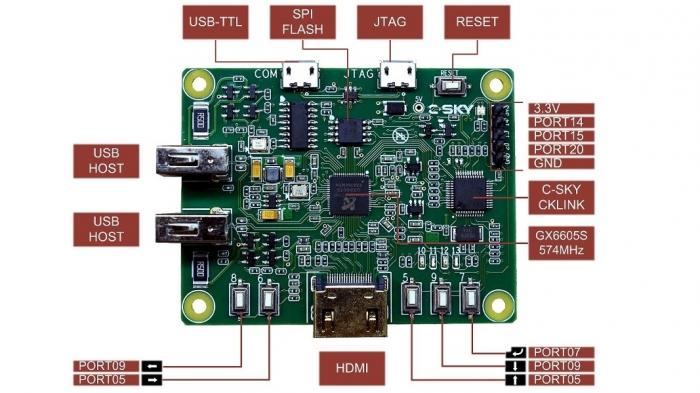
<html> <p class=„printversionback-to-article printversion–hide“><a href=„https://www.heise.de/newsticker/meldung/5-Euro-Bastlerboard-aus-China-mit-HDMI-fuer-Linux-4220230.html“>zurück zum Artikel</a></p><figure class=„printversionlogo“><img src=„https://1.f.ix.de/icons/svg/logos/svg/heiseonline.svg“ alt=„heise online“ width=„180“ heigth=„40“/></figure><figure class=„aufmacherbild“><img src=„https://heise.cloudimg.io/width/700/q75.png-lossy-75.webp-lossy-75.foil1/_www-heise-de_/imgs/18/2/5/4/0/1/3/1/gx6605s-16-9-a5f3add184a96a7b.jpeg“ srcset=„https://heise.cloudimg.io/width/700/q75.png-lossy-75.webp-lossy-75.foil1/_www-heise-de_/imgs/18/2/5/4/0/1/3/1/gx6605s-16-9-a5f3add184a96a7b.jpeg 700w, https://heise.cloudimg.io/width/1050/q75.png-lossy-75.webp-lossy-75.foil1/_www-heise-de_/imgs/18/2/5/4/0/1/3/1/gx6605s-16-9-a5f3add184a96a7b.jpeg 1050w, https://heise.cloudimg.io/width/1067/q75.png-lossy-75.webp-lossy-75.foil1/_www-heise-de_/imgs/18/2/5/4/0/1/3/1/gx6605s-16-9-a5f3add184a96a7b.jpeg 1067w“ sizes=„(min-width: 80em) 43.75em, (min-width: 64em) 66.66vw, 100vw“ alt=„5-Euro-Bastlerboard aus China mit HDMI für Linux“ class=„img-responsive“/><figcaption class=„akwa-caption“><p class=„caption akwa-captiontext“>C-Sky GX6605S</p> <p class=„source akwa-captionsource“>(Bild: Hangzhou C-Sky Microsystems)</p> </figcaption></figure><p><strong>Das C-Sky GX6605S kostet weniger als ein Raspberry Pi, kann aber (manches) mehr als ein Arduino – und drin steckt ein steinalter Motorola-Kern.</strong></p> <div class=„inread“/> <p>Bei chinesischen Händlern wie Taobao und AliExpress findet sich das Bastlerboard C-Sky GX6605S zu Preisen ab 5 Euro. Herzstück des Einplatinencomputers ist das System-on-Chip NationalChip GX6605S mit HDMI und USB-Buchsen, auf dem ein abgespecktes Linux laufen kann.</p> <p>Der Chip, der eigentlich für in China verkaufte TV-Empfänger entwickelt wurde, hat Arduino & Co voraus, dass man auf der Linux-Kommandozeile an einem PC-Monitor arbeiten kann. Er spielt sogar Videos ab, in seiner Firmware steckt Player-Software.</p> <p>Gleichzeitig ist das <a href=„https://c-sky.github.io/docs/gx6605s.html“ rel=„external noopener“ target=„_blank“><strong>C-Sky GX6605S [1]</strong></a> billiger als ein Raspbery Pi – jedenfalls in China. Inklusive Versandkosten nach Deutschland wird es deutlich teurer angeboten, bei AliExpress etwa für 26 US-Dollar als „<a href=„https://www.aliexpress.com/item/Raspberry-PieC-SKY-Linux-Development-Board/32846440579.html“ rel=„external noopener“ target=„_blank“><strong>Raspberry PieC-SKY Linux Development Board [2]</strong></a>“.</p> <h3 class=„subheading“ id=„nav_motorola_m_core_1“>Motorola M*Core</h3> <p>Im <a href=„http://www.nationalchip.com/en/index.php/products/info/5“ rel=„external noopener“ target=„_blank“><strong>NationalChip GX6605S [3]</strong></a> steckt ein Prozessorkern mit der 32-Bit-Mikroarchitektur (Instruction Set Architecture, ISA) <a href=„https://c-sky.github.io/“ rel=„external noopener“ target=„_blank“><strong>C-Sky V1 (abiv1) [4]</strong></a>. Dahinter verbirgt sich Motorolas M*Core aus den 1990er-Jahren, seinerzeit auch microRISC Engine genannt. Hangzhou C-Sky Microsystems hatte diese Technik nach eigenen Angaben bis 2004 entwickelt, später dann aber die C-Sky ISA V2.</p> <p>Künftig setzt C-Sky auf RISC-V; C-Sky wurde vor einigen Monaten vom chinesischen Handels- und Cloud-Giganten Alibaba übernommen.</p> <h3 class=„subheading“ id=„navinline2“/> <figure class=„a-inline-image a-u-inline a-u-inline-left“ is=„a-grossbild“><img alt=„C-Sky GX6605S im Betrieb unter Linux.“ src=„https://heise.cloudimg.io/width/1280/q50.png-lossy-50.webp-lossy-50.foil1/_www-heise-de_/imgs/18/2/5/4/0/1/3/1/gx6605s_1-b496f75b19190d97.jpeg“ srcset=„https://heise.cloudimg.io/width/2560/q30.png-lossy-30.webp-lossy-30.foil1/_www-heise-de_/imgs/18/2/5/4/0/1/3/1/gx6605s_1-b496f75b19190d97.jpeg 2x“ class=„c1“/><figcaption class=„a-caption“><p class=„a-captiontext“>C-Sky GX6605S im Betrieb unter Linux.</p> <p class=„a-captionsource“>(Bild: Hangzhou C-Sky Microsystems)</p> </figcaption></figure> Wenig RAM und I/O <p>Dem C-Sky GX6605S fehlen Netzwerkschnittstellen, außerdem sind lediglich 64 MByte DDR2-RAM vorhanden, und zwar direkt im Gehäuse integriert (System-in-Package, SIP). Der 32-Bit-Kern taktet mit weniger als 600 MHz, der Framebuffer ist für 720p-Auflösung ausgelegt.</p> <p>Als Massenspeicher sind lediglich 4 MByte SPI-Flash vorhanden, darin liegen der Bootloader und die erwähnte Player-Software. Die beiden USB-2.0-Typ-A-Buchsen müssen also für Massenspeicher (USB-Stick), Eingabegeräte sowie Netzwerkadapter genügen. Via Github stellt C-Sky außer der Dokumentation auch ein bootfähiges USB-Image bereit. Ein angepasstes Linux-Image für den GX6605S lässt sich mit Tools wie Buildroot und uClibc-ng erstellen. <a href=„https://git.busybox.net/buildroot/plain/board/csky/readme.txt“ rel=„external noopener“ target=„_blank“><strong>Hinweise finden sich auch bei BusyBox [5]</strong></a>.</p> <h3 class=„subheading“ id=„nav_m_core_dokumenta3“>M-Core-Dokumentation</h3> <p>C-Sky stellt via Github ein <a href=„https://github.com/c-sky/tools/raw/master/gx6605s/CK610_spec.pdf“ rel=„external noopener“ target=„_blank“><strong>PDF mit der Dokumentation der C-Sky ISA V1 [6]</strong></a> bereit. Für den M*Core findet man <a href=„https://www.nxp.com/docs/en/data-sheet/MMC2001RM.pdf“ rel=„external noopener“ target=„_blank“><strong>Dokumentation noch auf der NXP-Webseite [7]</strong></a>: NXP war 2015 mit der 2004 von Motorola abgespaltenen Sparte Freescale <a href=„https://www.heise.de/meldung/Chiphersteller-NXP-und-Freescale-verschmelzen-2562233.html“><strong>verschmolzen [8]</strong></a>. ()<br class=„clear“/></p> <hr/><p><strong>URL dieses Artikels:</strong><br/><small><code>http://www.heise.de/-4220230</code></small></p> <p><strong>Links in diesem Artikel:</strong><br/><small><code><strong>[1]</strong> https://c-sky.github.io/docs/gx6605s.html</code></small><br/><small><code><strong>[2]</strong> https://www.aliexpress.com/item/Raspberry-PieC-SKY-Linux-Development-Board/32846440579.html</code></small><br/><small><code><strong>[3]</strong> http://www.nationalchip.com/en/index.php/products/info/5</code></small><br/><small><code><strong>[4]</strong> https://c-sky.github.io/</code></small><br/><small><code><strong>[5]</strong> https://git.busybox.net/buildroot/plain/board/csky/readme.txt</code></small><br/><small><code><strong>[6]</strong> https://github.com/c-sky/tools/raw/master/gx6605s/CK610_spec.pdf</code></small><br/><small><code><strong>[7]</strong> https://www.nxp.com/docs/en/data-sheet/MMC2001RM.pdf</code></small><br/><small><code><strong>[8]</strong> https://www.heise.de/meldung/Chiphersteller-NXP-und-Freescale-verschmelzen-2562233.html</code></small><br/><small><code><strong>[9]</strong> mailto:ciw@ct.de</code></small><br/></p> <p class=„printversioncopyright“><em>Copyright © 2018 Heise Medien</em></p> </html>