Wolfram Engine Now Free… Sort Of
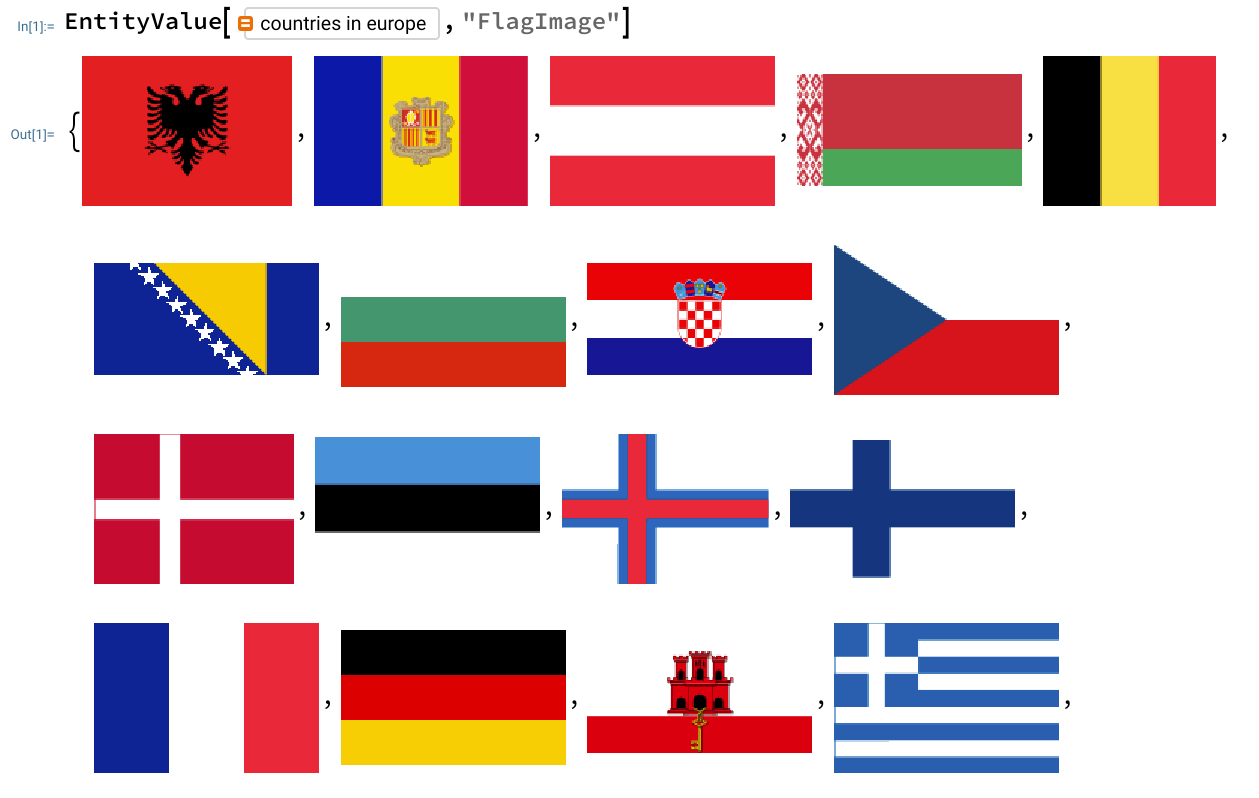
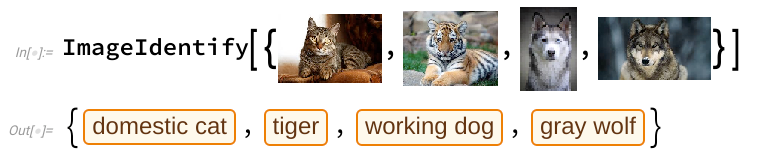
<html> <p>You’ve probably used Wolfram Alpha and maybe even used the company’s desktop software for high-powered math such as Mathematica. One of the interesting things about all of Wolfram’s mathematics software is that it shares a common core engine — the Wolfram Engine. As of this month, the company is <a href=„https://blog.stephenwolfram.com/2019/05/launching-today-free-wolfram-engine-for-developers/“ target=„_blank“>allowing free use of the engine</a> in software projects. The catch? It is only for preproduction use. If you are going into production you need a license, although a free open source project can apply for a free license. Naturally, Wolfram gets to decide what is production, although the actual <a href=„https://www.wolfram.com/legal/terms/wolfram-engine.html“ target=„_blank“>license</a> is pretty clear that non-commercial projects for personal use and approved open source projects can continue to use the free license. In addition, work you do for a school or large company may already be covered by a site license.</p> <p>Given how comprehensive the engine is, this is reasonably generous. The engine even has access to the Wolfram Knowledgebase (with a free Basic subscription). If you don’t want to be connected, though, you don’t have to be. You just won’t be able to get live data. If you want to play with the engine, you can use the Wolfram Cloud Sandbox in which you can try some samples.</p> <p>If this were just another language it might be interesting, especially since it can do so much with math. but the real power is how it interprets things and can draw data from a variety of sources. For example, this query for flags of European countries:</p> <figure id=„attachment_359657“ aria-describedby=„caption-attachment-359657“ class=„wp-caption aligncenter c2“><a href=„https://hackaday.com/wp-content/uploads/2019/05/funflags.png“ target=„_blank“><img data-attachment-id=„359657“ data-permalink=„https://hackaday.com/2019/05/22/wolfram-engine-now-free-sort-of/funflags/“ data-orig-file=„https://hackaday.com/wp-content/uploads/2019/05/funflags.png“ data-orig-size=„1259,798“ data-comments-opened=„1“ data-image-meta=„{"aperture":"0","credit":"","camera":"","caption":"","created_timestamp":"0","copyright":"","focal_length":"0","iso":"0","shutter_speed":"0","title":"","orientation":"0"}“ data-image-title=„funflags“ data-image-description=„“ data-medium-file=„https://hackaday.com/wp-content/uploads/2019/05/funflags.png?w=400“ data-large-file=„https://hackaday.com/wp-content/uploads/2019/05/funflags.png?w=800“ class=„wp-image-359657 size-large“ src=„https://hackaday.com/wp-content/uploads/2019/05/funflags.png?w=800“ alt=„A Wolfram query for flags of European countries.“ width=„800“ height=„507“ srcset=„https://hackaday.com/wp-content/uploads/2019/05/funflags.png 1259w, https://hackaday.com/wp-content/uploads/2019/05/funflags.png?resize=250,158 250w, https://hackaday.com/wp-content/uploads/2019/05/funflags.png?resize=400,254 400w, https://hackaday.com/wp-content/uploads/2019/05/funflags.png?resize=800,507 800w“ sizes=„(max-width: 800px) 100vw, 800px“/></a> <figcaption id=„caption-attachment-359657“ class=„wp-caption-text“>A Wolfram query for flags of European countries.</figcaption></figure><p>There is no special library or database required. It just happens to know what a country is and what flag each country has and what “European” means. Naturally, it can read data from the web, make charts, and even do machine learning. If you’ve had trouble following machine learning code before, try this animal image recognition example:</p> <figure id=„attachment_359667“ aria-describedby=„caption-attachment-359667“ class=„wp-caption aligncenter c3“><a href=„https://hackaday.com/wp-content/uploads/2019/05/ml.png“ target=„_blank“><img data-attachment-id=„359667“ data-permalink=„https://hackaday.com/2019/05/22/wolfram-engine-now-free-sort-of/ml/“ data-orig-file=„https://hackaday.com/wp-content/uploads/2019/05/ml.png“ data-orig-size=„772,156“ data-comments-opened=„1“ data-image-meta=„{"aperture":"0","credit":"","camera":"","caption":"","created_timestamp":"0","copyright":"","focal_length":"0","iso":"0","shutter_speed":"0","title":"","orientation":"0"}“ data-image-title=„ml“ data-image-description=„“ data-medium-file=„https://hackaday.com/wp-content/uploads/2019/05/ml.png?w=400“ data-large-file=„https://hackaday.com/wp-content/uploads/2019/05/ml.png?w=772“ class=„wp-image-359667 size-large“ src=„https://hackaday.com/wp-content/uploads/2019/05/ml.png?w=772“ alt=„Distinguishing between predators, with Wolfram.“ width=„772“ height=„156“ srcset=„https://hackaday.com/wp-content/uploads/2019/05/ml.png 772w, https://hackaday.com/wp-content/uploads/2019/05/ml.png?resize=250,51 250w, https://hackaday.com/wp-content/uploads/2019/05/ml.png?resize=400,81 400w“ sizes=„(max-width: 772px) 100vw, 772px“/></a> <figcaption id=„caption-attachment-359667“ class=„wp-caption-text“>Distinguishing between predators, with Wolfram.</figcaption></figure><p>We covered when the <a href=„https://hackaday.com/2013/11/24/mathematica-and-wolfram-on-the-raspberry-pi/“>Wolfram language</a> emerged in 2013. If you really have a thing for the notebook style of programming there is always <a href=„https://hackaday.com/2019/05/11/mathics-how-to-do-hard-math-when-youre-not-an-mit-janitor/“>Mathics</a>, <a href=„https://hackaday.com/2019/02/22/drops-of-jupyter-notebooks-how-to-keep-notes-in-the-information-age/“>Jupyter</a>, and even <a href=„https://hackaday.com/2019/05/03/fortran-goes-interactive/“>Fortran</a>.</p> </html>

 Falls nicht anders bezeichnet, ist der Inhalt dieses Wikis unter der folgenden Lizenz veröffentlicht: CC Attribution-Noncommercial-Share Alike 4.0 International